
Stretching Exercises for Daily Wellness
Discover the transformative power of consistent stretching in building a sustainable wellness habit
Why Stretching Matters
Regular stretching is one of the most underrated wellness practices. It improves flexibility, reduces muscle tension, enhances circulation, and creates a foundation for long-term physical wellbeing. At Flexibilityhabitcore, we believe stretching is not just a warm-up activity — it's a lifestyle practice that transforms how you feel every single day.
Enhanced Flexibility
Consistent stretching gradually increases your range of motion, making everyday movements easier and reducing injury risk during physical activity.
Stress Relief
Stretching activates your parasympathetic nervous system, promoting relaxation and helping you manage daily stress more effectively.
Better Posture
Targeted stretching of tight muscles helps correct postural imbalances, particularly from prolonged sitting and desk work.
Improved Circulation
Stretching increases blood flow to muscles and joints, enhancing oxygen delivery and nutrient distribution throughout your body.
Better Sleep Quality
Evening stretching sessions prepare your body for rest by releasing muscle tension and promoting deep, restorative sleep.
Injury Prevention
Flexible muscles are less prone to strains and tears, making stretching an essential component of any balanced wellness routine.
Your 5-Step Daily Stretching Routine
Morning Wake-Up
Begin with gentle, full-body stretches whilst still in or just out of bed. Hold each stretch for 20-30 seconds to awaken your muscles gradually.
Pre-Activity Prep
Perform dynamic stretches before exercise to improve mobility and prepare your joints for movement. Include arm circles and leg swings.
Midday Reset
Take a 5-minute break to stretch tight areas like shoulders, neck, and hips that accumulate tension from work and sitting.
Post-Activity Cool Down
Hold static stretches for 30-60 seconds after exercise to aid recovery and prevent muscle soreness the following day.
Evening Relaxation
End your day with slow, mindful stretches focussing on relaxation. Hold stretches for 45-60 seconds to encourage deep relaxation.
Essential Stretching Poses
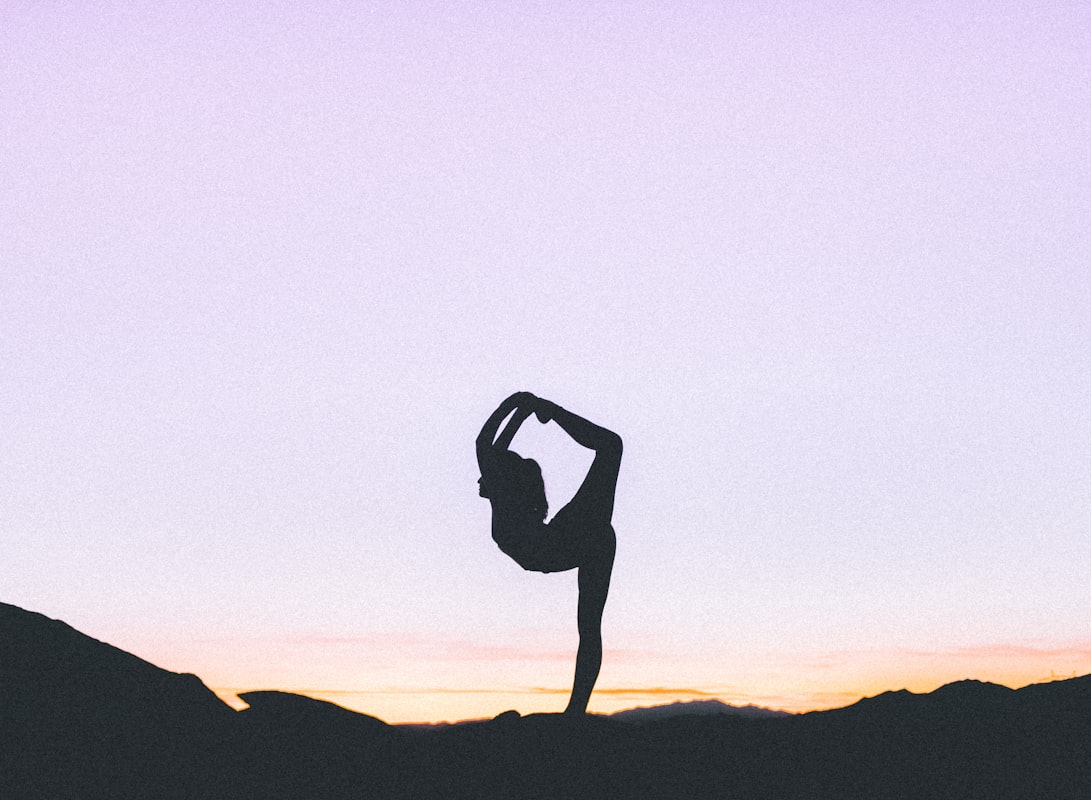
Hamstring Stretch
One of the most important stretches for daily wellness. Tight hamstrings affect your lower back and posture. Perform this stretch by sitting with one leg extended and gently reaching towards your toes. Hold for 45 seconds on each side, focusing on breathing deeply throughout.
- Improves lower back flexibility
- Reduces lower body tension
- Enhances hip mobility

Shoulder & Chest Stretch
Desk work and stress create tension in the shoulders and chest. Cross one arm across your body and gently pull it closer using your other arm. This stretch opens your chest, improves shoulder flexibility, and promotes better breathing patterns.
- Relieves upper back tension
- Improves shoulder mobility
- Opens the chest cavity
More Essential Poses
- Reduces neck and shoulder pain
- Increases cervical spine flexibility
- Alleviates tension headaches
Neck Stretch
Gently tilt your head to bring your ear closer to your shoulder, then place your hand on your head for a slight additional stretch. Hold for 30 seconds on each side. This simple yet effective stretch addresses the most common area of tension in modern life.
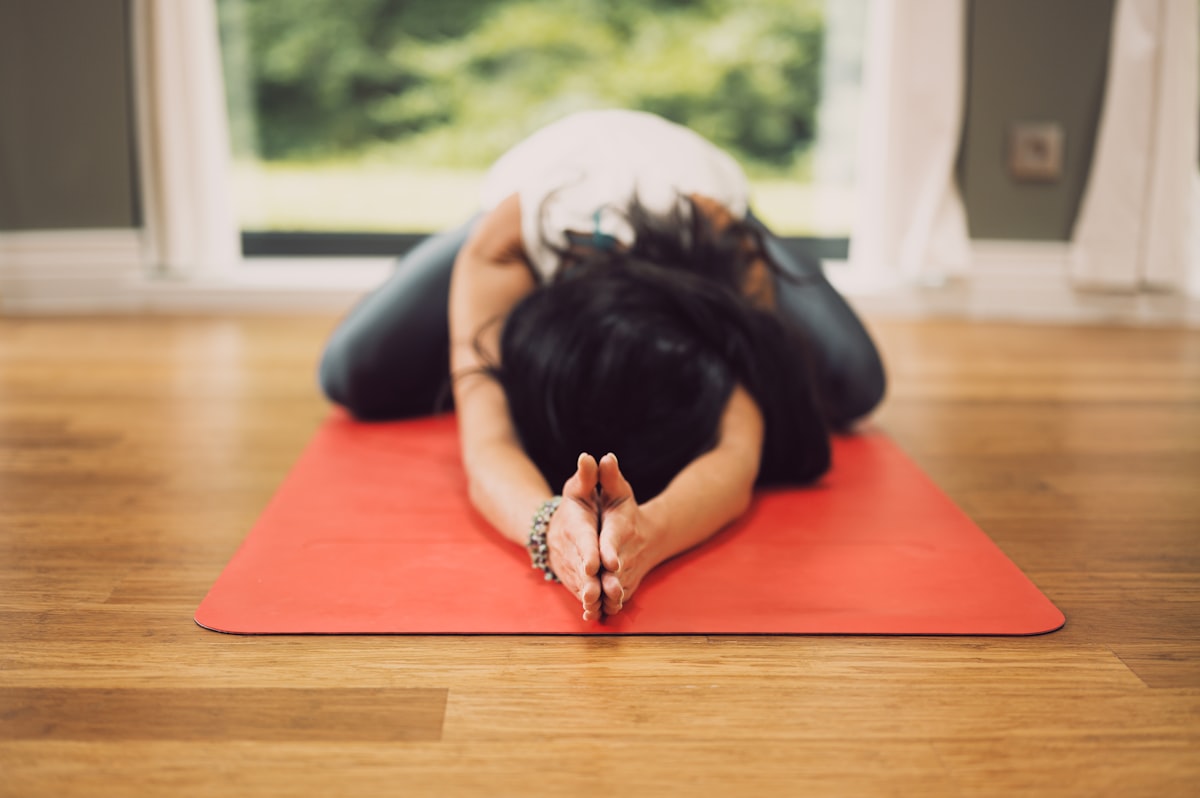

Hip Flexor Stretch
Hip flexors become incredibly tight from sitting throughout the day. Perform a low lunge position and press your hips forward gently. This powerful stretch releases deep tension in your hips and improves your overall posture and mobility.
- Improves hip mobility dramatically
- Enhances lower back health
- Corrects anterior pelvic tilt
Building Your Stretching Habit
At Flexibilityhabitcore, we understand that consistency is key to sustainable wellness. Stretching isn't just an activity — it's a habit that transforms your daily life. Here's how to build a stretching practice that sticks:
Schedule It Like Any Appointment
Block out specific times for stretching — morning, midday, and evening. Treat it with the same importance as other commitments. When stretching is scheduled, it becomes non-negotiable and part of your routine.
Start Small and Progress Gradually
Begin with 5-10 minutes daily rather than overwhelming yourself with hour-long sessions. As your flexibility improves and stretching becomes habitual, gradually extend your sessions. Small, consistent progress beats sporadic intense effort.
Focus on Mindfulness
Stretching isn't just physical — it's mental. Use your stretching time to disconnect from screens, focus on your breath, and tune into your body. This mindful approach amplifies the stress-relieving benefits and makes stretching more enjoyable.
Join Our Community
Connect with others on their stretching journey. Our community shares experiences, tips, and encouragement. When you see others progressing and committing to their flexibility goals, your own motivation naturally increases.
Track Your Progress
Keep a simple journal or log of your stretching sessions. Note which stretches feel best, how your flexibility improves, and how your body feels throughout the day. Visible progress is incredibly motivating and helps reinforce the habit.
Key Features of Stretching for Wellness
Sustainable Practice
Unlike intense workout regimens, stretching is sustainable for life. It adapts to your age, fitness level, and changing circumstances, making it perfect for long-term wellness.
Accessible to Everyone
Whether you're 20 or 80, athlete or sedentary, stretching can be adapted to your needs. It requires no equipment, no gym membership, and minimal space.
Time-Efficient
Meaningful stretching sessions can be completed in 5-15 minutes. This makes it realistic to incorporate stretching multiple times throughout your day.
Low-Risk Activity
When performed correctly, stretching has minimal injury risk. It's a safe foundation for all fitness levels and works alongside any other wellness practice.
Immediate Benefits
You feel the benefits instantly — tension relief, improved mood, and relaxation. This immediate feedback reinforces the habit and motivates consistency.
Complements Other Activities
Stretching enhances strength training, cardio, yoga, and every other wellness activity. It's the foundational habit that improves all other practices.
Common Stretching Questions
For static stretches (held positions), aim for 30-60 seconds per stretch. Beginners might start with 20-30 seconds whilst building flexibility. Dynamic stretches (moving stretches) are typically performed for 8-10 repetitions. The key is consistency — daily stretching with proper hold times yields better results than occasional long sessions.
The best time is whenever you'll actually do it consistently. Morning stretches energise you and improve flexibility throughout the day. Post-exercise stretches aid recovery. Evening stretches promote relaxation and sleep. Ideally, incorporate stretching multiple times daily — morning, midday, and evening — for maximum benefits.
Absolutely. If you're not flexible, stretching is exactly what you need. Start gently and respect your current range of motion. Never bounce or force stretches. With consistent practice over weeks and months, flexibility improves noticeably. Many of our most engaged community members started with minimal flexibility and achieved remarkable results through dedication.
Light, gentle stretching can actually help with muscle soreness by promoting blood flow and relaxation. However, avoid intense stretching of acutely injured muscles. If you have sharp pain or acute injury, consult a healthcare professional before stretching. General muscle soreness from exercise typically benefits from light stretching and recovery.
Many people notice immediate improvements in how they feel — relaxation, tension relief, improved mood. Physical flexibility improvements typically become noticeable within 2-4 weeks of consistent daily stretching. More significant changes accumulate over months and years. The key is viewing stretching as a long-term wellness practice rather than expecting rapid transformation.
Yes. Regular stretching increases flexibility, which reduces strain on muscles and joints during physical activity. Flexible muscles are less prone to strains and tears. Additionally, stretching improves body awareness and proprioception, helping you move with better form and technique. Incorporating stretching into your wellness routine is a proven injury prevention strategy.